

Tubes are practical tools for shipping and production. They come in many shapes and serve a wide variety of purposes. There are several different types of tubes. So before you decide to buy tubes, it’s important to know how you’ll be using them. In this article, you’ll learn about the different types available and which type of tube is best suited for your project.
The different types of sleeves
There are various types of tubes. Each type serves a specific purpose. For example, some tubes provide excellent protection during shipping. Others, on the other hand, serve as sturdy winding cores. We would now like to introduce you to the most important types of tubes in a bit more detail:
Shipping tubes
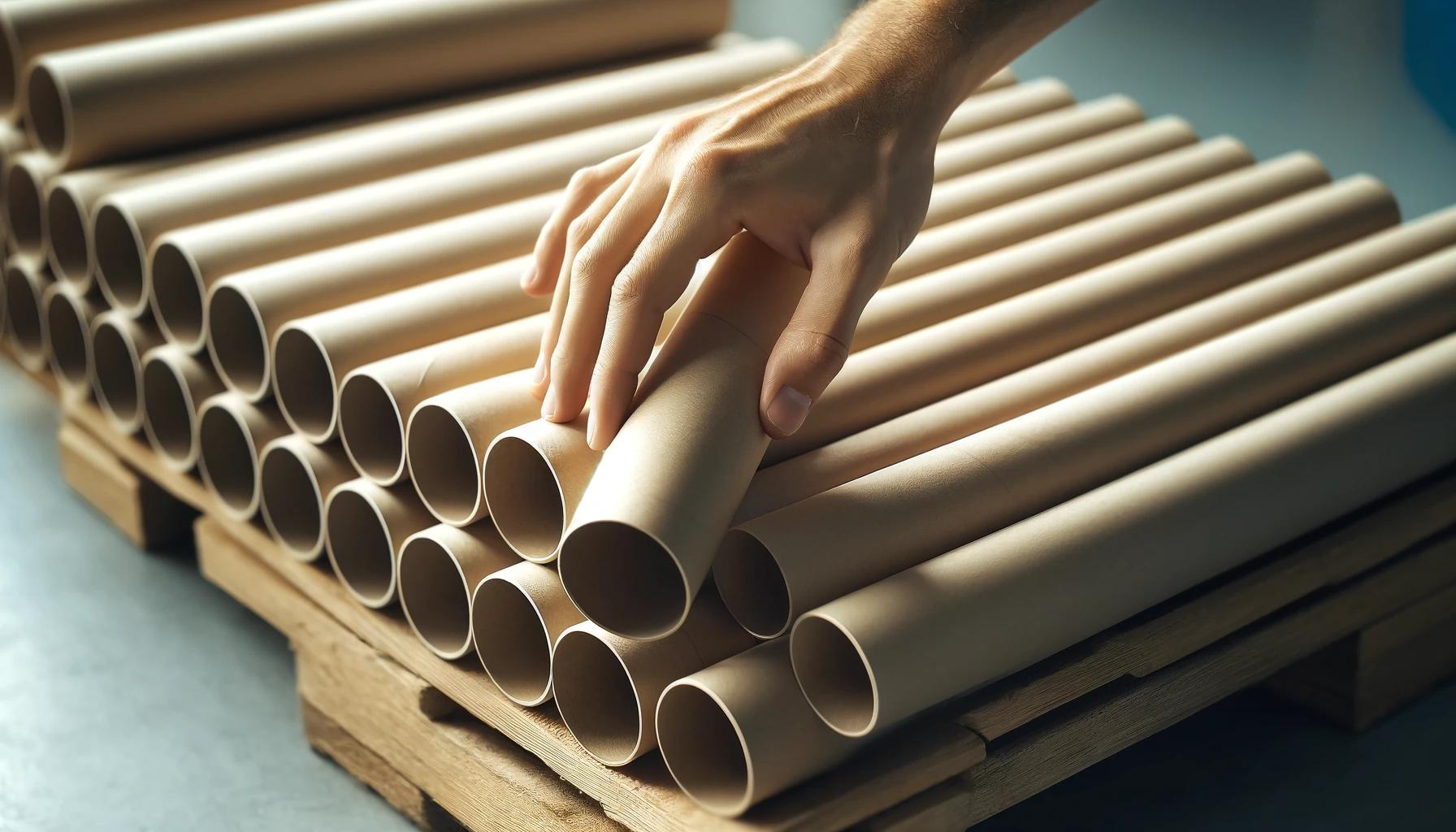
Shipping tubes are usually made of cardboard. Solid cardboard is a very popular choice. Shipping tubes are round and have sturdy walls. This makes them ideal for long and fragile items. Drawings, plans, or posters remain undamaged. Molding and pipes can also be shipped safely in them. The tube protects against creases, moisture, and dirt. Shipping tubes are available in a wide variety of sizes.
The benefits of shipping tubes at a glance:
Typical applications:
Cardboard tubes
Cardboard tubes are very sturdy. They consist of several layers of cardboard. They serve as a core for winding many types of materials. For example, they are frequently used for paper, film, or textiles. Even heavy rolls can be wound onto them. The tube retains its shape and can withstand heavy loads. It is primarily used in industrial applications.
The benefits of cardboard tubes at a glance:
Typical applications:
Quarter-sleeve and half-sleeve sleeves
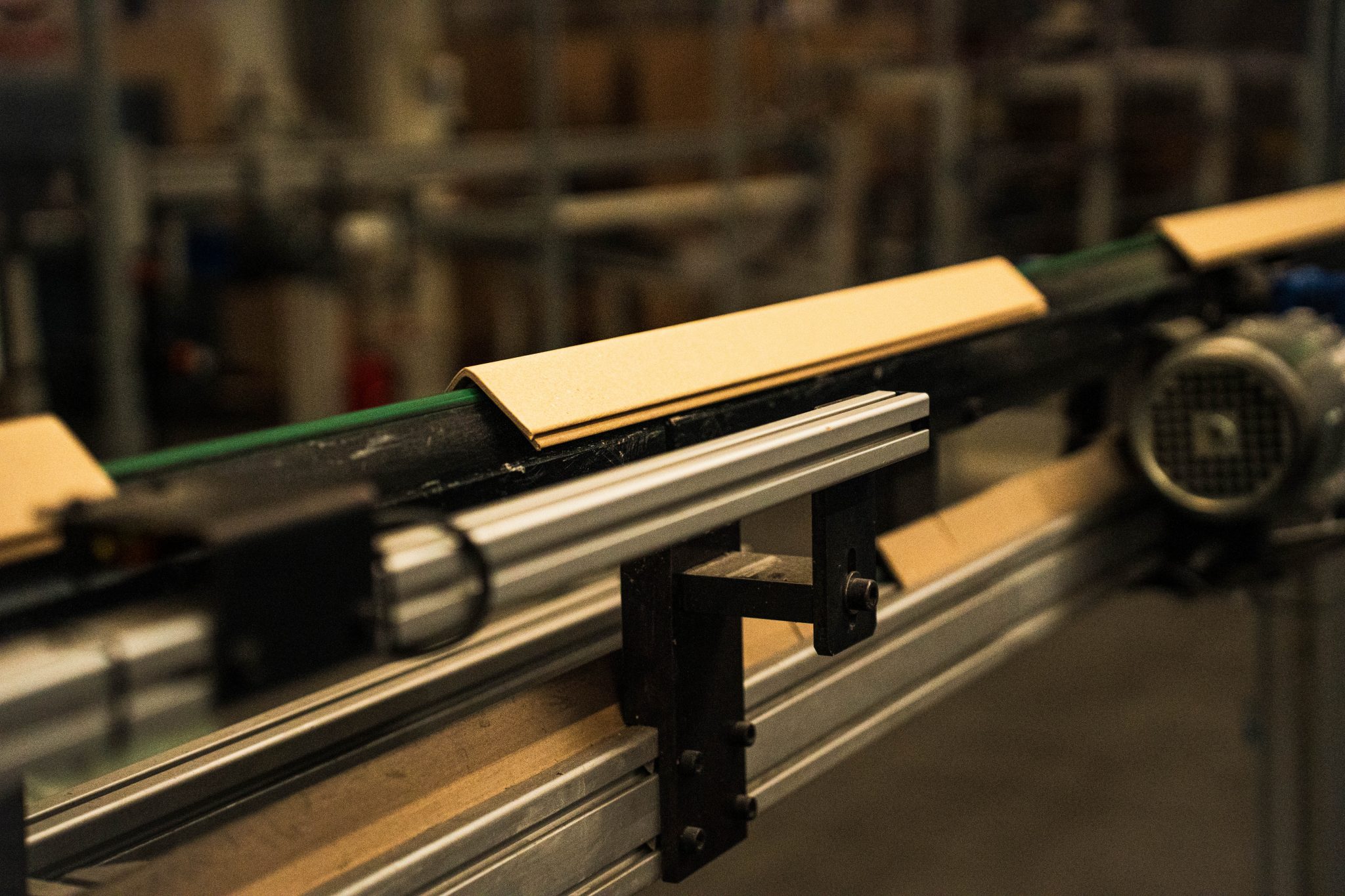
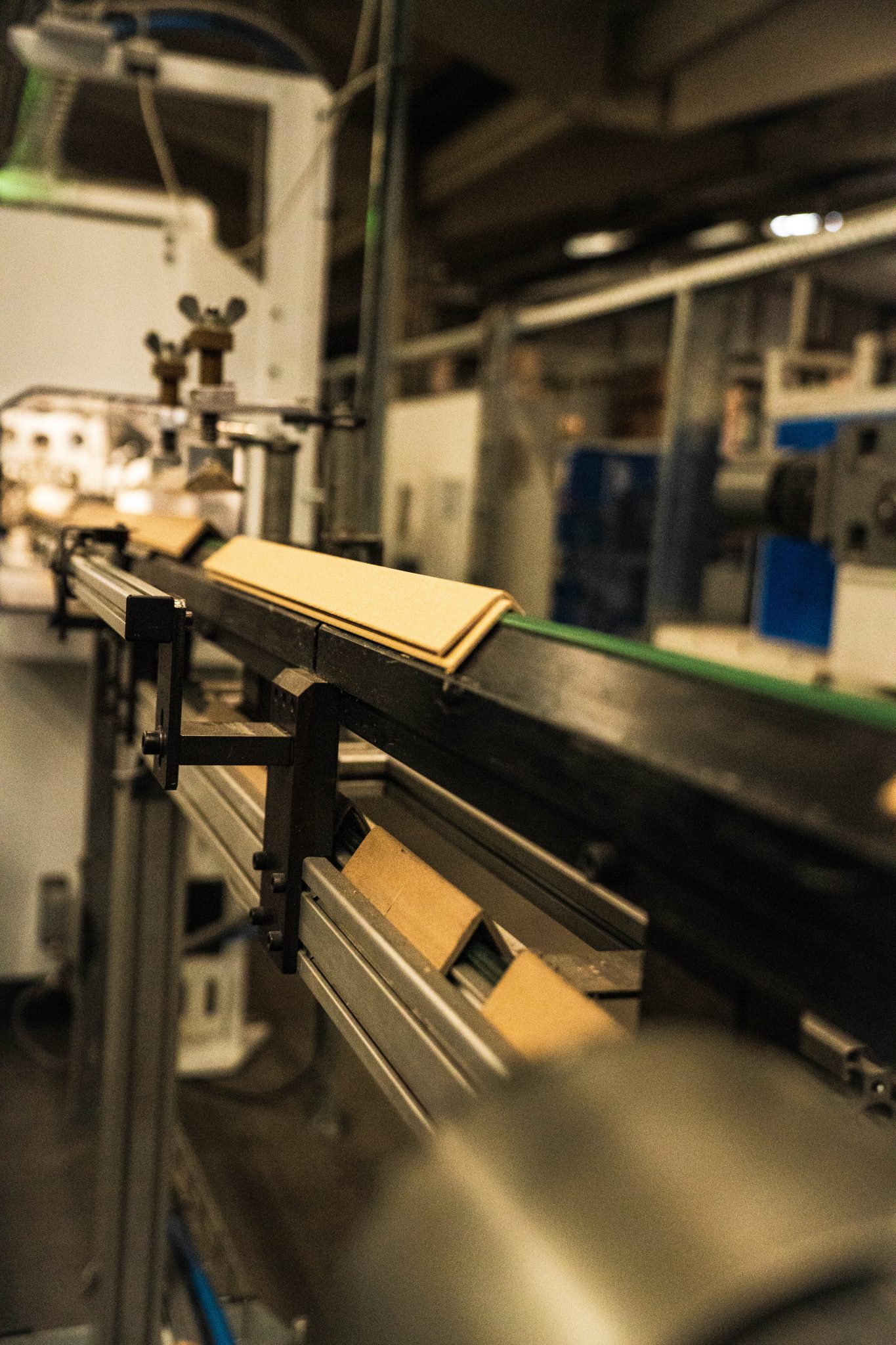
These sleeves are open-ended and provide targeted protection for edges. They are often used for containers and bagged goods. IBC containers benefit from them in particular. When used with tension straps, the sleeve can prevent pressure marks. It is also helpful for pallets carrying textile bales. Quarter-shell and half-shell sleeves adapt perfectly to a wide variety of shapes. This not only ensures a better hold but also helps prevent damage. If these sleeves are kept clean, they can be reused multiple times without any issues.
The advantages of quarter-shell and half-shell sleeves at a glance:
Typical applications:
Sleeve rings
Core rings are small, round pieces of cardboard. They are produced when cutting cardboard tubes. They are particularly useful for narrow winding rolls. They are frequently used for labels or adhesive tapes. The winding retains its perfect shape thanks to the use of core rings. They are also very popular in film production. The edges are clean and even, ensuring a smooth winding process. Even the smallest rings can be custom-made.
The benefits of sleeve rings at a glance:
Typical applications:
How do the sleeves differ in design and function?
Sleeves come in various shapes. Each sleeve has its own design. For example, shipping sleeves are closed and round. They protect products during transport. Hard paper tubes are very sturdy. They consist of several layers of cardboard. These tubes are usually used as winding cores. Quarter-shell tubes are open. They specifically protect edges and corners. Tube rings are small and round. They keep narrow rolls in shape. Each tube serves a different purpose. That is why choosing the right tube is very important. This is the only way to ensure optimal protection for your products.
What should you look for when choosing the right sleeve?
The intended use plays a very important role in choosing the right tube. Before purchasing, you should consider whether you want to ship something or wrap something. You can then select the appropriate tube based on your specific needs. It is also important to take the weight of the product into account. Heavy materials require a sturdy tube. The dimensions must fit exactly. If the sleeves are too large, they cannot provide the necessary protection. Humidity in the warehouse also plays a role. Rigid sleeves are better suited for humid environments. Furthermore, you should also consider reusability. Some sleeves can be used multiple times. This saves you money and helps protect the environment.
What are the benefits of using sleeves in everyday use?
Tubes are practical and versatile. They protect your products from damage. Many tubes are very sturdy. They are easy to store and transport. They are also useful for winding materials. Tubes make it easier to handle goods. They simplify packaging. Many types are reusable. They are also suitable for special applications. With the right core, you can optimize your processes. They increase safety and save time.
In which industries are sleeves in particularly high demand?
Tubes are used in many industries. They are standard in the packaging industry. They are also frequently used in printing. The textile industry uses them for winding fabrics. In logistics, they provide protection during shipping. Mechanical engineering also relies on sturdy tubes. Food processing companies use them for clean packaging. Shipping tubes are also very popular in the e-commerce sector. Overall, it can be said that tubes can be used safely in almost all sectors.
Just how sustainable are cardboard tubes, really?
Cardboard tubes are an eco-friendly solution. They are usually made from recycled materials, such as solid cardboard. They are also easily recyclable after use. Their production requires little energy. In addition, they generate very little waste. Many cardboard tubes are reusable. You can simply dispose of them or reuse them.