

Edge protection during shipping – keeping products undamaged
When it comes to shipping, every single step counts. Even small mistakes can cause major damage. A single bump, a slip, or improper stacking is all it takes. Edges and corners are particularly vulnerable. If these aren’t properly protected, cracks or dents can quickly form. That’s why edge protection is essential today. It reliably stabilizes every product. Edge protection ensures that pressure is distributed evenly. This keeps everything securely in place. It prevents breakage and deformation. Edge protection is a simple yet highly effective solution. It protects before anything goes wrong. In modern shipping, it ensures safety, stability, and trust.
Why is edge protection so important in shipping?
When shipping products, you want them to arrive at the customer’s doorstep undamaged. When shipping, you should always keep in mind that transport routes are long and often rough. Whether you’re shipping by road, air, or sea, risks lurk everywhere, so to speak. Boxes are stacked, can shift, or come too close to other goods. Corners and edges are particularly vulnerable here because they absorb the most pressure upon impact.
Edge protection acts as a buffer here. It is able to absorb pressure and distribute it evenly at the same time. This keeps the packaging stable and ensures the product inside is well protected. The right edge protection can make the difference between a product arriving at the customer’s doorstep without any complaints and one that does not. All in all, this means that using the right edge protection can save you a great deal of time, stress, and, above all, money.
Various Materials and Their Properties
Edge protection is available in several different varieties. The materials, strength, and coating may vary depending on the intended use. In addition to traditional solid cardboard, materials such as plastic, foam, and metal profiles are also frequently used. Each material offers different advantages.
Cardboard edge protectors, for example, are very popular. They are lightweight, inexpensive, and recyclable. Many companies are already opting for this option because it is much more environmentally friendly than other materials.
There are also various plastic options to choose from. While these are somewhat more resistant to moisture, they are not environmentally friendly. Foam is an excellent choice for delicate surfaces, as it ensures that the packaging does not get scratched. Metal profiles provide maximum stability, but they are more commonly used in machine or plant construction.
The choice you ultimately make depends on several different factors. It mainly depends on your industry and specific requirements. Most companies opt for cardboard protection. It adapts perfectly to different types of packaging and offers maximum protection.
Which option offers the best protection?
An overview of common options and their advantages:
Every company has the option to choose the protection solution that best suits its specific products.
How does edge protection work during transport?
Edge protectors serve a very specific purpose. They absorb pressure and distribute it over a larger area. During transport, the packaging is subjected to a variety of forces. Even minor shocks can weaken the material or cause corners to chip off. A well-placed edge protector can prevent exactly that. It ensures that the outer packaging remains sturdy and does not develop cracks.
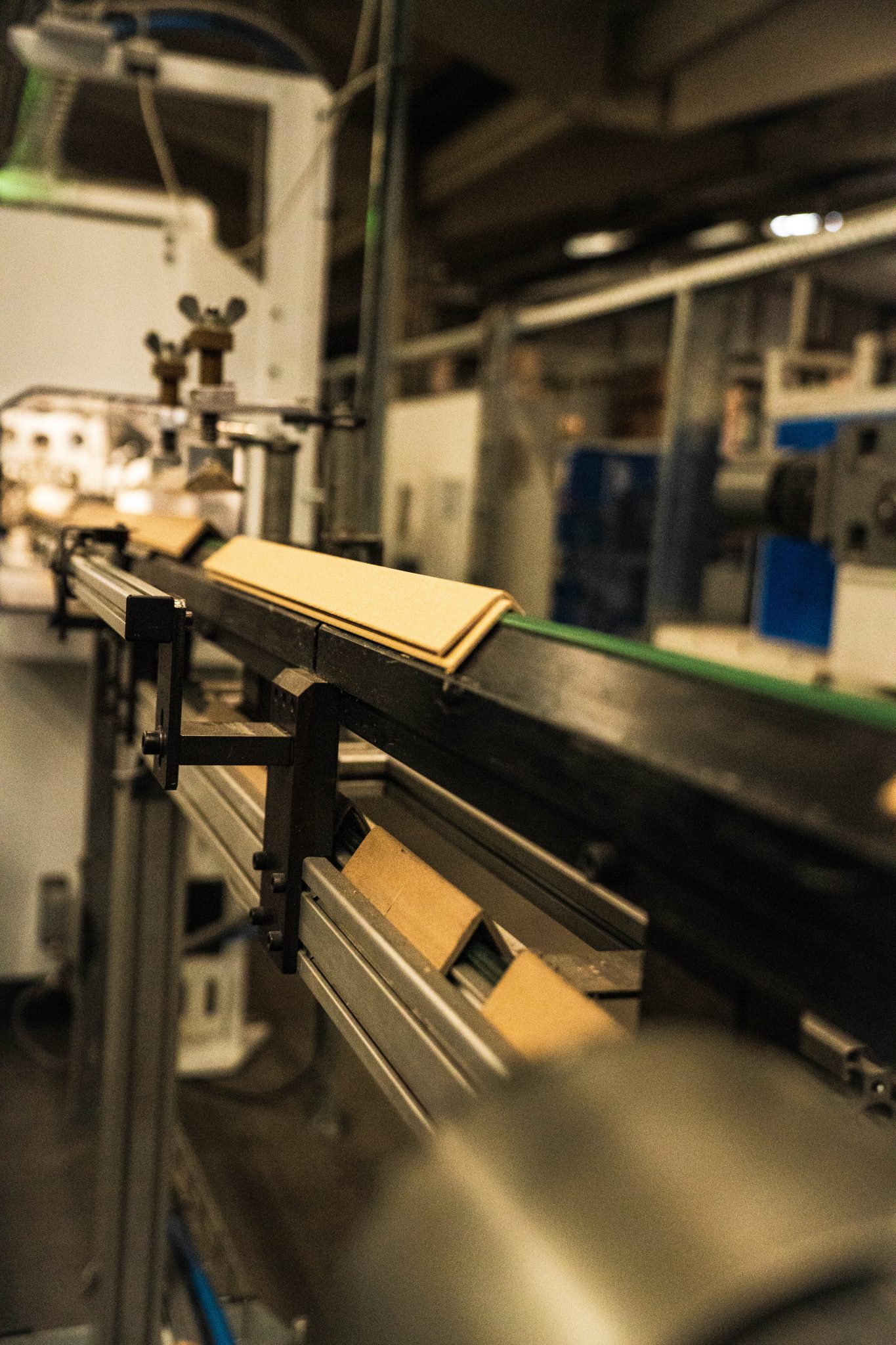
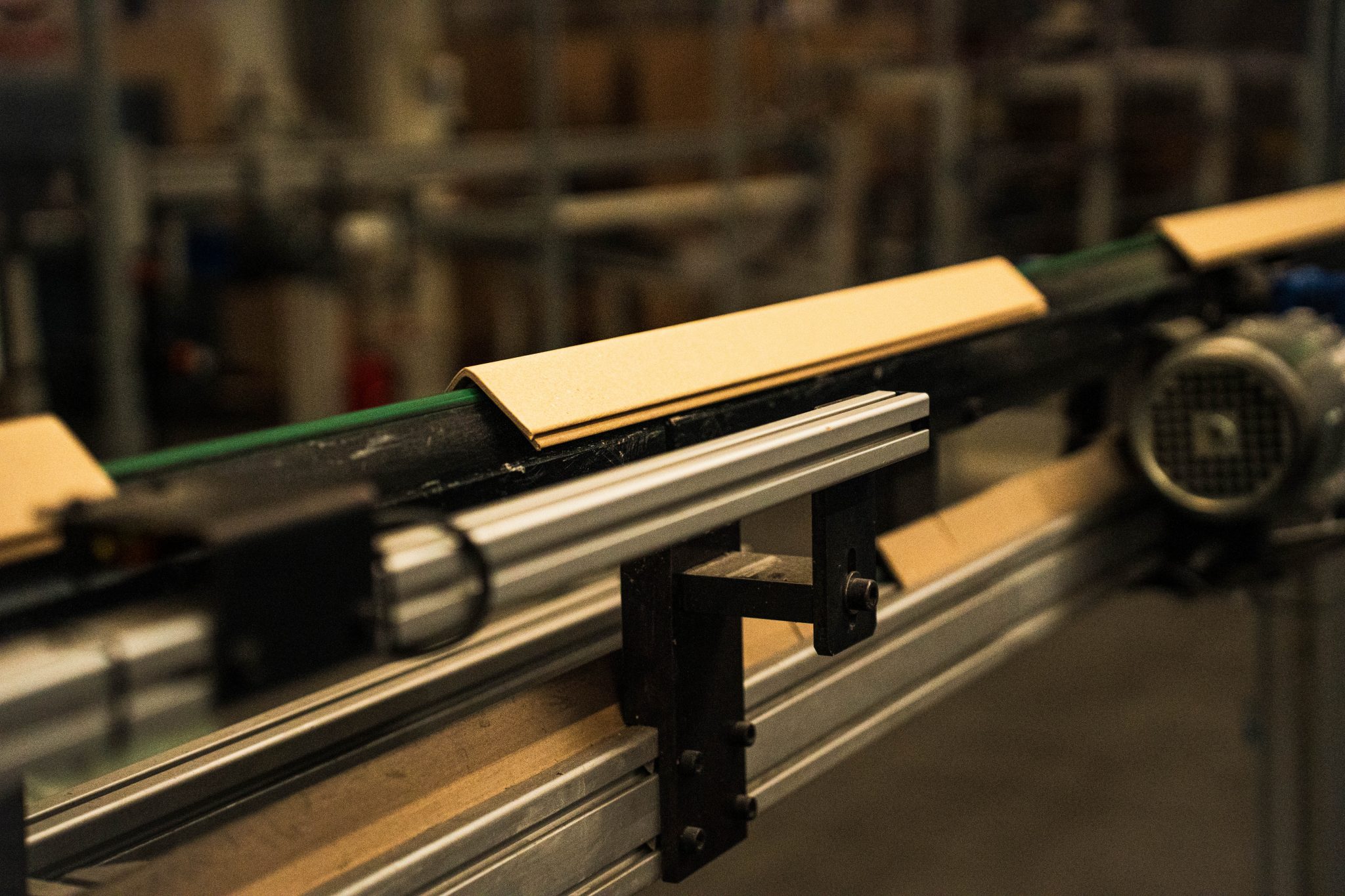
In practice, edge protection profiles are attached to the corners or along the edges of the boxes. This creates a sturdy structure that can withstand even heavy pressure. This significantly improves stackability and safety, especially for palletized goods.
Edge protection in logistics – an underestimated factor
Efficiency is the top priority in logistics. However, without proper protection, any supply chain can quickly become costly. If goods are damaged, it can quickly lead to complaints, replacement shipments, and even potential damage to a company’s reputation. With the right edge protection, these problems can be prevented before they even arise.
There are already many logistics companies that have realized that investing in sturdy packaging systems is definitely worth it—especially when viewed from a long-term perspective. Keep in mind that every instance of shipping damage you prevent not only saves you on material costs but also saves you a great deal of time and energy.
Sustainability and resource conservation
In today's world, eco-friendly packaging solutions are more important than ever. More and more companies are making sure to use materials that are recyclable and biodegradable. Solid cardboard corner protectors offer a clear advantage in this regard. They can be easily reused. In addition, they significantly reduce plastic waste.
In addition, using lightweight materials reduces shipping weight and, as a result, CO₂ emissions. So, choosing sustainable packaging solutions makes a double contribution to environmental protection.
The Benefits of Sustainable Packaging
Sustainable edge protection isn't just environmentally friendly—it also offers a number of practical benefits. Here are some of the benefits for you:
Companies that use sustainable packaging also improve their environmental footprint. This also significantly strengthens their brand image.
When is it particularly worthwhile to use edge protectors?
Not every product requires the same level of protection. Edge protection is particularly recommended for delicate and high-value items. However, you should also use good edge protection for bulky goods. These include, for example, furniture, electrical appliances, glass products, picture frames, and building components. Even everyday shipping items such as books, cosmetics, and textiles benefit from this added stability.
Depending on their size and weight, edge protectors can also improve the stackability of pallets. This means you can store your goods with greater confidence. You’ll also benefit when transporting goods in tight spaces.
Usage – How to Use Edge Protectors Correctly
Applying edge protectors is very simple. However, you should be aware that it requires a bit of care. For example, it’s important to check that the edges of the packaging are dry and clean. Then you can position the edge protectors along the corners or edges. With the self-adhesive versions, there’s no need to secure them with tape.
For larger shipments, we recommend using a combination of edge protectors. This provides additional stability, especially for palletized goods. Always make sure the protectors fit snugly. They must not come loose under any circumstances during transport.
Tips for practical use
There are a few simple rules that will help you get the most out of your edge protectors. We’ve put together the best tips for you:
With these tips, every package will be optimally and durably protected. The packaging will also look extremely professional, which will help your company make a good impression.
Edge Protection and Product Safety in E-Commerce
Packaging security plays a very important role, especially in online retail. Customers expect their goods to arrive undamaged. Even minor damage usually results in returns. Keep in mind that this can also lead to high costs. The right edge protectors ensure that the boxes remain sturdy, regardless of how many times they are transported or handled.
This protection definitely pays off in the e-commerce sector. In most cases, the shipping process involves several steps. This can be crucial for small businesses when it comes to customer satisfaction and positive reviews.
Innovative packaging trends featuring edge protection
Today, packaging is much more than just a protective measure. It is also a communication tool. More and more manufacturers are prioritizing innovative solutions that integrate edge protection into the design. This results in functional, visually appealing packaging that combines brand value with product protection.
Trends such as modular packaging systems, lightweight folding mechanisms, and smart materials demonstrate how efficiency and safety can be combined. Edge protection remains an indispensable component of modern shipping solutions.
Overview of possible applications
| Area of application | Advantages | Sample products |
| Furniture Moving | Stability, shock absorption | Tables, cabinets |
| E-commerce | Protection during shipping | Electronics, Books |
| Industry | high compressive strength | Machine components |
| Food | Hygiene, stack protection | Cardboard boxes, packaging |
| Construction | Edge protection against moisture | Tiles, panels |
This table shows you just how versatile edge protection can be, whether in retail or large-scale industry.
Common mistakes made during packaging
A very common mistake is using too little protective material. It’s also common for the protective material to be attached in the wrong places. Many people underestimate the stress that packaging is subjected to. If the corner protectors aren’t attached properly, they can come loose during transport. Protective material that’s too thin or too short also doesn’t provide adequate protection.
That’s why we recommend doing a test run before shipping. Pack the box, shake it gently, or stack it on top of other boxes. This will help you quickly determine whether the edge protectors are properly in place.
Conclusion: Small step, big impact
Edge protection is an unassuming yet crucial component of modern packaging. It protects not only the products but also a company’s reputation. With the right material, careful application, and a focus on sustainability, shipping becomes safer, more efficient, and more environmentally friendly.
Investing in well-designed edge protection saves money in the long run. It helps prevent complaints and, at the same time, ensures customer satisfaction. It doesn’t matter what industry you’re in.