

When it comes to shipping, even the smallest detail matters. Minor bumps or slight pressure can damage boxes. Edges and corners are particularly vulnerable. Sturdy edge protectors ensure that products remain undamaged. They stabilize, protect, and provide security all at once. It doesn’t matter whether you’re shipping boxes or pallets. Even larger shipping items can be perfectly protected with the right edge protection. In this blog, we provide you with important information on application, the different materials, and tips on how to optimally protect your goods.
Why is edge protection so crucial for safe deliveries?
Edges are the first areas to be damaged when subjected to impact. When pallets are moved or stacked in a warehouse, the pressure usually hits exactly there. Even a slight movement can be enough to deform the packaging. Especially when the goods are very heavy, breaks or cracks can occur quickly. This pressure can be evenly distributed with the right edge protection. Your packaging remains stable at all times.
It’s also important to note that edge protectors aren’t just used to protect products. They also help safeguard the shipping process. When goods arrive undamaged, complaints are reduced, which saves companies a significant amount of time. Securing shipments properly not only cuts costs but also builds customer trust. This means that edge protectors play a vital role in modern logistics.
How does edge protection work in practice?
Edge protection acts as a shock-absorbing frame. It fits snugly around the packaging and ensures that particularly vulnerable areas remain well protected. It absorbs pressure during transport and distributes it over a larger area. This keeps the packaging stable and your product safe.
When used on pallets, it provides additional protection against cuts that could be caused by straps or strapping. When edge protection is combined with stretch film, it ensures even greater stability. The protection can be customized depending on the type of product.
Different types of edge protection
There are several different types of edge protection. Each solution is designed for a specific purpose.
Solid cardboard edge protection
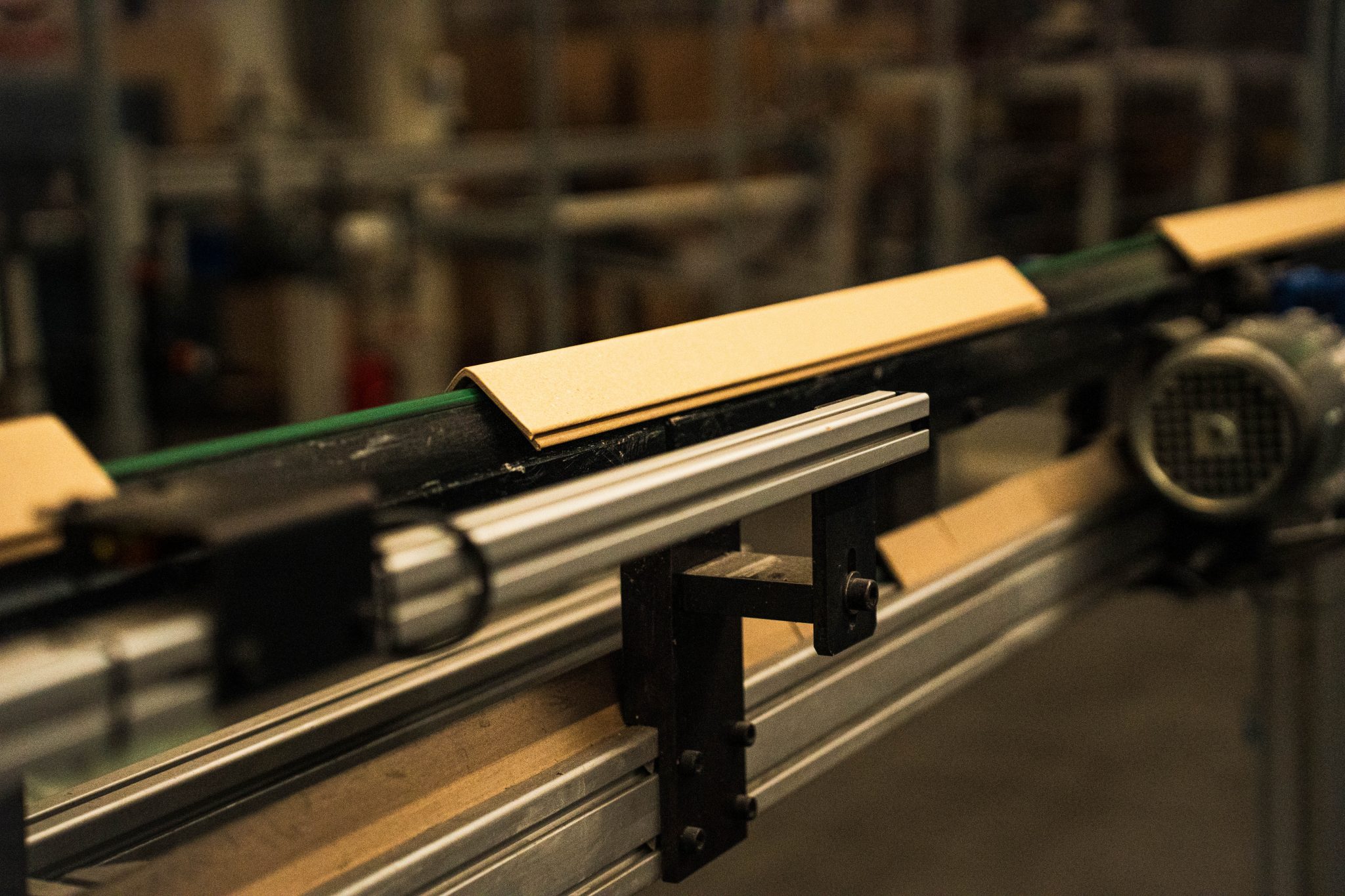
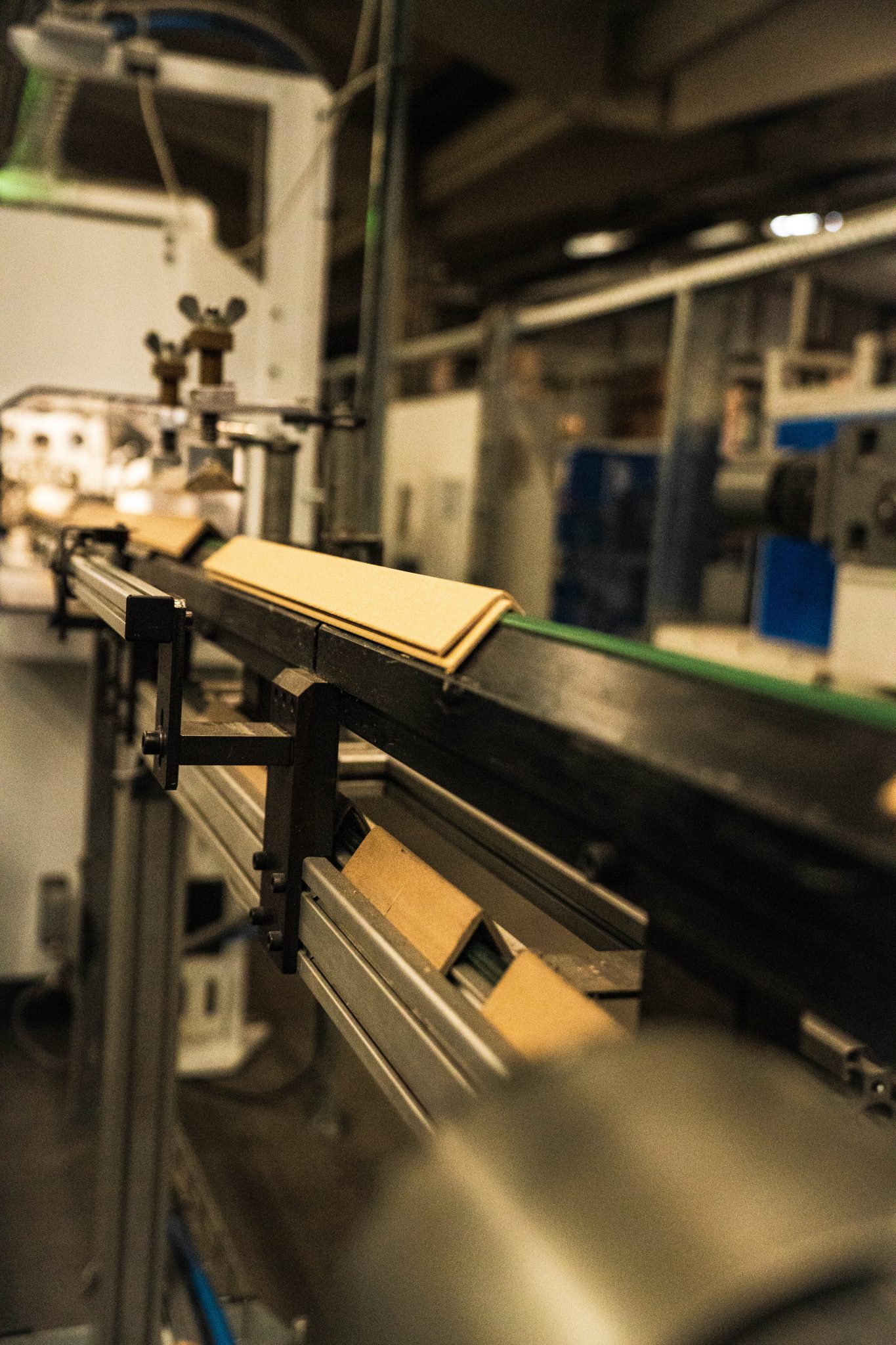
Solid cardboard is particularly popular with businesses. This material is environmentally friendly and lightweight. In addition, edge protection made of solid cardboard offers excellent stability. It is the perfect solution even for longer transport routes. Another advantage is that it retains its shape well and is very easy to install.
Plastic profiles
You can also choose plastic profiles. This material is waterproof. However, you should be aware that plastic profiles are not environmentally friendly. They are also somewhat more difficult to install.
Foam padding
Foam padding is often used for delicate surfaces. However, it offers only limited stability and provides very little resistance to pressure. This material is not well-suited for long-term storage or outdoor transport.
Self-adhesive edge protector
Self-adhesive edge protectors are quick and easy to apply. They adhere securely without the need for additional tools or tape. This saves time when packing and securing items. The protectors stay firmly in place and won’t slip. Plus, they can be easily removed when needed without leaving any residue.
Colored edge protection
Colored edge protection provides clear identification. It offers better visibility. This makes it much easier to sort and distinguish between items. Because it is easily recognizable, it enhances safety during every transport. In addition, the packaging looks neater and more professional.
Printed edge protection
Printed corner protectors provide extra space for your logo or important information. This helps you strengthen your brand presence right from the moment your packages are shipped. Customers will recognize your shipments immediately. Plus, it gives your brand a high-quality, personalized look.
Here is an overview of the different options:
Thanks to this wide selection, you can quickly find the right protection for any type of packaging.
What materials are most commonly used?
The material you ultimately choose depends on the specific application. However, solid cardboard is particularly popular. The reason for this is that solid cardboard edge protectors are exceptionally sturdy. It is also a recyclable material. Solid cardboard edge protectors also offer excellent value for money. Foam can be used as additional protection for glass or electronics. Plastic can also be used when products need to be protected from moisture.
You can decide for yourself which material is best for you. However, if you place a high value on environmental friendliness and want to make a good impression on your customers at the same time, you should definitely opt for solid cardboard edge protectors.
How do you install edge protection correctly?
To ensure that you can take full advantage of edge protection, it’s important to know how to apply it correctly. Edge protection should always be applied before strapping or wrapping. This ensures that it stays in place and doesn’t shift. It should lie flush against the surface and cover all vulnerable areas.
Self-adhesive options are particularly convenient. They save time and provide a secure hold, even during long transport routes. For pallets, all four corners should be protected. For fragile boxes, two protective edges on opposite sides are often sufficient. It is important to ensure that no gaps remain through which pressure can be exerted.
Where is edge protection used?
There is now virtually no industry that would want to do without high-quality edge protection. It is particularly popular in the logistics sector, where it secures boxes on pallets. But it has also become indispensable in the furniture industry, where it provides excellent protection for delicate surfaces. It is also used in most food-related industries, where it helps prevent dents in packaging.
It’s also indispensable in e-commerce. Online retailers know full well that customers are quick to return damaged goods. With edge protection, you can ensure safety and customer satisfaction here as well.
It is even used in the construction and mechanical engineering industries. It can be said that it can be used anywhere corners and edges need to be protected.
An overview of some typical applications
In all these areas, it helps preserve value. Damage is prevented, and products still look like new even after transport.
How does edge protection contribute to sustainability?
Sustainable packaging is more important today than ever before. Corner protectors made of solid cardboard, for example, are produced from 100% recycled cardboard. After use, they can therefore be disposed of as regular paper waste. This closes the material cycle and reduces waste.
Weight also plays an important role. Lightweight protective corners help save energy during transport. At the same time, they reduce CO₂ emissions. When your company prioritizes sustainable packaging, you’re actively contributing to environmental protection. And the best part is that you don’t have to compromise on safety.
Why is edge protection so important for pallets?
Pallets are subjected to heavy loads on a daily basis. They are stacked, secured with straps, and transported. Edge protection stabilizes the outer layers. It prevents straps from digging into the cardboard, ensuring that the structure remains stable at all times.
Edge protection in this area also helps prevent damage from impacts during transshipment. This is particularly important for heavy or fragile goods. In many warehouses, edge protection is used as standard practice, not only for safety reasons but also for efficiency.
How do corner protectors protect boxes during shipping?
Cardboard boxes are susceptible to pressure, moisture, and impact. Edge protectors help absorb these stresses. This is especially important when packages are handled multiple times or stacked on top of one another.
It prevents corners from buckling and boxes from becoming unstable. It also gives the package a neat, professional appearance. Customers will be much more satisfied when they receive the package, because first impressions matter here, too. This means that the packaging not only remains secure but, above all, looks presentable.
Protection for delicate products
Fragile goods, in particular, require special care. High-quality edge protection ensures that everything is well protected. Edge protection is especially important in these areas. It offers the best protection for:
Such products are often expensive or fragile. A damaged box can quickly lead to a loss in value. Simple edge protection significantly reduces this risk.
How does edge protection improve storage?
Stability isn't just important during transport. It's also important that everything remains stable during storage. Pallets often need to be stacked for extended periods of time. Using the right edge protection ensures that the lower layers aren't crushed.
Wrapping with stretch film also helps the merchandise retain its shape better. This saves you space and reduces the need for rework. You’ll benefit from a clean and professional overall appearance.
What are some common mistakes made during use?
It often happens that corner protectors are installed too late. Sometimes they aren’t secured tightly enough. Profiles that are too short are also a problem; they don’t cover the corners completely. Another common mistake is that the protectors often don’t fit the packaging.
If the material is too thin, the print may show through. If it is too thick, the edge protector will slip out of place quickly. For this reason, the edge protector should always be chosen based on the specific application. A quick test run before shipping helps prevent such mistakes.
Avoiding Common Problems
Here are a few tips to help you avoid mistakes:
If you follow these guidelines, you can enjoy reliable protection. Even during long transport routes, you are guaranteed maximum protection.
Conclusion – Small step, big impact
Edge protection may be unassuming, but it’s indispensable. It protects goods, stabilizes packaging, and saves costs. Whether in shipping, warehousing, or e-commerce, it makes every shipment safer.
With the right materials, careful application, and sustainable production, a simple yet effective solution is created. This ensures that products remain safe, customers are satisfied, and processes remain efficient.