

When it comes to shipping, every single detail counts. Even small mistakes can cause major damage. If products aren’t packed properly, they may arrive damaged at the customer’s doorstep. This not only leads to dissatisfied customers, but also costs you money. The good news is that many mistakes can be easily avoided with the right precautions. With good planning and the right materials, your goods will be reliably protected. Also keep in mind that the materials you use play an important role. Solid cardboard, for example, is very well suited. This material offers several advantages. It is sturdy, versatile, and, above all, scores high in terms of sustainability.
If safe shipping is a priority for you, you shouldn’t skimp on tubes, corner protectors, foam inserts, and custom-cut foam. In this article, you’ll learn about the 10 most common shipping mistakes and how to avoid them.
Mistake 1: Inadequate protection of the goods
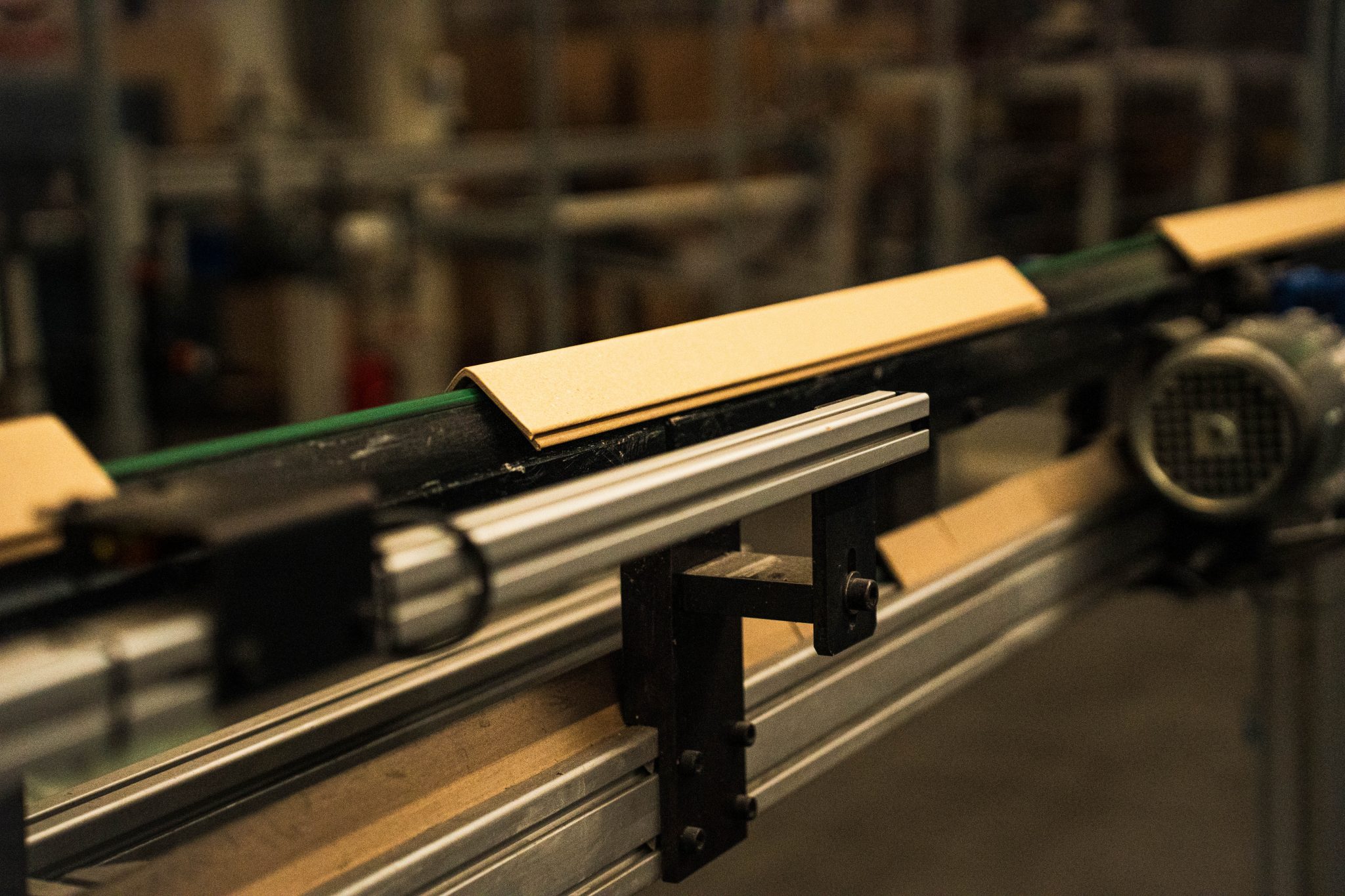
Many companies underestimate how quickly products can be damaged during transport. Even minor impacts, vibrations, or pressure can be enough to damage even the sturdiest items. In such cases, solid cardboard corner protectors are an excellent solution. They provide the best possible protection for sensitive corners. Profiles or sleeves also offer additional support.
When using these packaging aids, you should also ensure that not only the outer box itself is protected, but also the contents. In most cases, the packaging is too thin, which is the main cause of damage during transport. By using sturdy cut-outs made of solid cardboard, you can reliably protect the contents. This helps prevent customer complaints and, at the same time, increases customer satisfaction.
Mistake 2: Incorrect box size
Many companies choose the wrong box size when shipping their products. For example, if the box is too large, it can lead to unnecessary packing material. This also increases shipping costs. If the box is too small, there is a risk that the contents will be crushed and damaged. For this reason, you should always choose a box size that fits your product perfectly.
Pieces of solid cardboard can be used to quickly fill empty spaces. This provides the contents with greater stability and prevents them from shifting. This helps you save on materials while ensuring safe transport. In addition, a well-fitted box conveys a sense of professionalism to your customers. Your customers will notice that you take care to pack their items carefully.
Mistake 3: Insufficient packaging stability
Many companies cut corners on materials, but end up paying double later on. Keep in mind that thin cardboard boxes can quickly dent or tear. It’s advisable to pay close attention to the material here as well. We recommend investing in corrugated cardboard. You should also always reinforce the edges with edge protectors. This ensures the packaging remains intact even when stacked or during long transport routes. If you frequently ship heavy or long products, using tubes is a great option. They are sturdy, eco-friendly, and can be reused multiple times. If you cut corners here, you not only risk damage during transport, but you also run the risk of your customers being dissatisfied with your service.
Mistake 4: Failure to secure the contents
with enough room for the product to move around. This significantly minimizes the risk of damage during shipping. Customers appreciate receiving an undamaged, neatly packaged product. Even if the outer packaging is sturdy, the contents can shift. This leads to scratches, breaks, or bent parts. Use cut-to-size inserts or sleeves to secure products firmly in place. Edge protectors also help safeguard sensitive areas. Make sure there are no empty spaces
Mistake 5: Failure to label fragile shipments
Most damage occurs when a package is handled improperly. “Fragile” or “This Side Up” labels are often missing. It is important that you always clearly label fragile shipments. Eye-catching labels or markings work best for this. Combine this with appropriate protective materials, such as sturdy padding. This also allows shipping carriers to immediately recognize that they need to handle the package with care. Clear labeling reduces the risk of packages being stacked improperly or thrown around.
Mistake 6: Using cheap tape
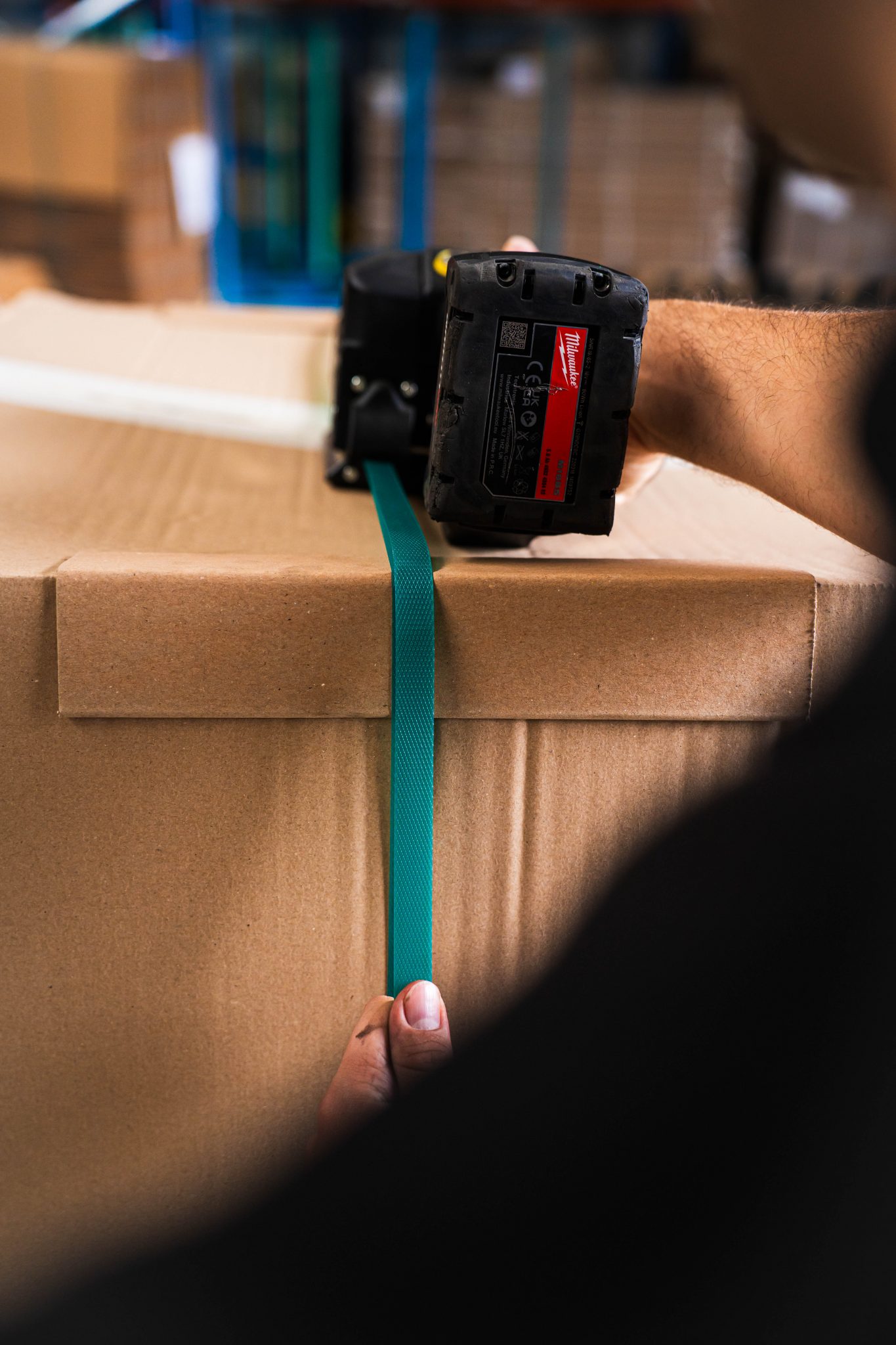
Remember that a box is only as secure as its seal. If you use cheap packing tape, you should expect it to either tear or come loose. We recommend using high-quality packing tape. This tape should also be able to withstand varying temperature differences. If the packages are very heavy, you can also use strapping tape. Supplement the protection with corner protectors. This ensures that the pressure is distributed evenly.
Mistake 7: Overloaded boxes
Every box has a certain weight limit. If it is overfilled, the risk of tears or the bottom breaking increases. That is why heavy items should always be divided among several packages. It is best to use solid cardboard tubes. This allows you to ship long and bulky items separately. As a result, everything remains stable and secure. Customers will appreciate it when their goods arrive safely and in perfect condition. Plus, you’ll avoid potential additional costs from damaged goods.
Mistake 8: Neglecting environmental considerations
These days, customers place a high value on sustainability. Packaging plays a particularly important role in this regard. If you continue to use plastic or unnecessary materials, you’ll leave a bad impression on your customers. Start using eco-friendly solutions today. Use edge protectors, sleeves, profiles, and die-cut pieces made of solid board. These materials are recyclable, sturdy, and look professional. Sustainable packaging isn’t just good for your image. In the long run, it can also save you money.
Mistake 9: Failure to adapt to different products
If a one-size-fits-all system is used for all products, it usually doesn’t work well. Different sizes, shapes, and fragility levels require customized packaging solutions. Use modular cutouts or profiles to design flexible packaging. This allows you to respond quickly to different orders while still ensuring safety. Customized solutions prevent unnecessary shipping damage and make your shipping process more efficient.
Mistake 10: Failure to check before shipping
The hustle and bustle of the shipping department often leads to mistakes. For example, packages may not be sealed properly. They are also often labeled incorrectly and inadequately protected. Be sure to take some time for a final check. Verify that all edges are secured, the contents are properly secured, and the address is correct. Use edge protectors, tubes, or cut-to-size padding where necessary. This ensures that your shipments arrive safely. A quick check can prevent major damage and complaints.
Avoid shipping errors with proper planning and the right materials
Shipping errors cost time, money, and patience. However, with proper planning, they can be avoided. Choose the right packaging size, and use edge protectors, sleeves, cut-to-size pieces, and protective profiles made of solid cardboard. Test new solutions in advance. Ensure clear labeling and use sustainable materials. This way, you protect your goods and leave a positive impression on your customers. Every investment in the right protection pays off in the long run.