

When it comes to shipping, every single step counts. Even small mistakes can cause major damage. A single bump, a slip, or improper stacking is all it takes. Edges and corners are particularly vulnerable. If these aren’t properly protected, cracks or dents can quickly form. That’s why edge protection is essential today. It reliably stabilizes every product. Edge protection ensures that pressure is distributed evenly. This keeps everything securely in place. It prevents breakage and deformation. Edge protection is a simple yet highly effective solution. It protects before anything goes wrong. In modern shipping, it ensures safety, stability, and trust.
Why is edge protection so important in shipping?
When shipping products, you want them to arrive at the customer’s doorstep undamaged. When shipping, you should always keep in mind that transport routes are long and often rough. Whether you’re shipping by road, air, or sea, risks lurk everywhere, so to speak. Boxes are stacked, can shift, or come too close to other goods. Corners and edges are particularly vulnerable here because they absorb the most pressure upon impact.
Edge protection acts as a buffer here. It is able to absorb pressure and distribute it evenly at the same time. This keeps the packaging stable and ensures the product inside is well protected. The right edge protection can make the difference between a product arriving at the customer’s doorstep without any complaints or not. All in all, this means that using the right edge protection can save you a great deal of time, stress, and, above all, money.
Various Materials and Their Properties
Edge protection is available in several different varieties. The materials, strength, and coating may vary depending on the intended use. In addition to traditional solid cardboard, materials such as plastic, foam, and metal profiles are also frequently used. Each material offers different advantages.
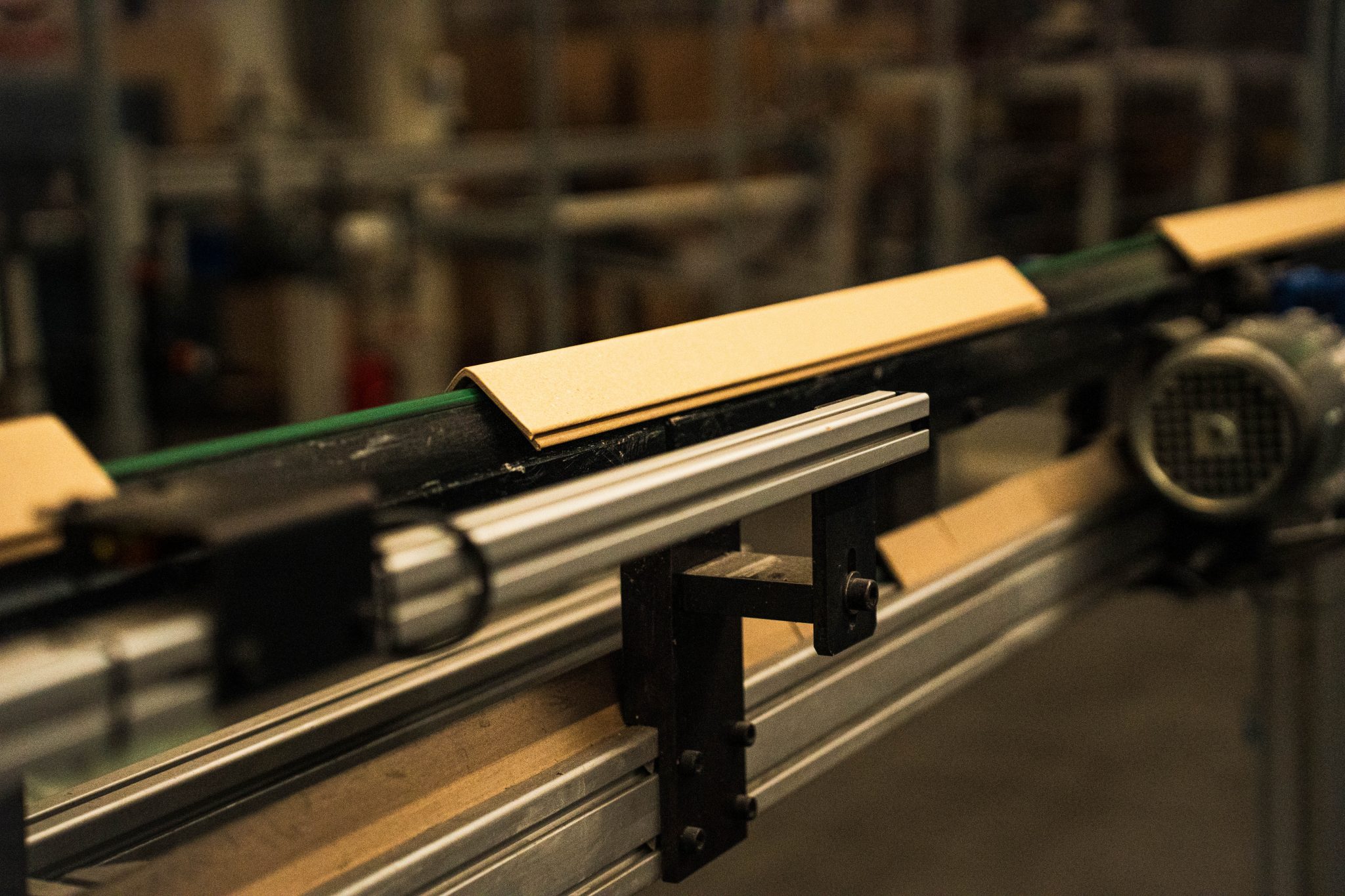
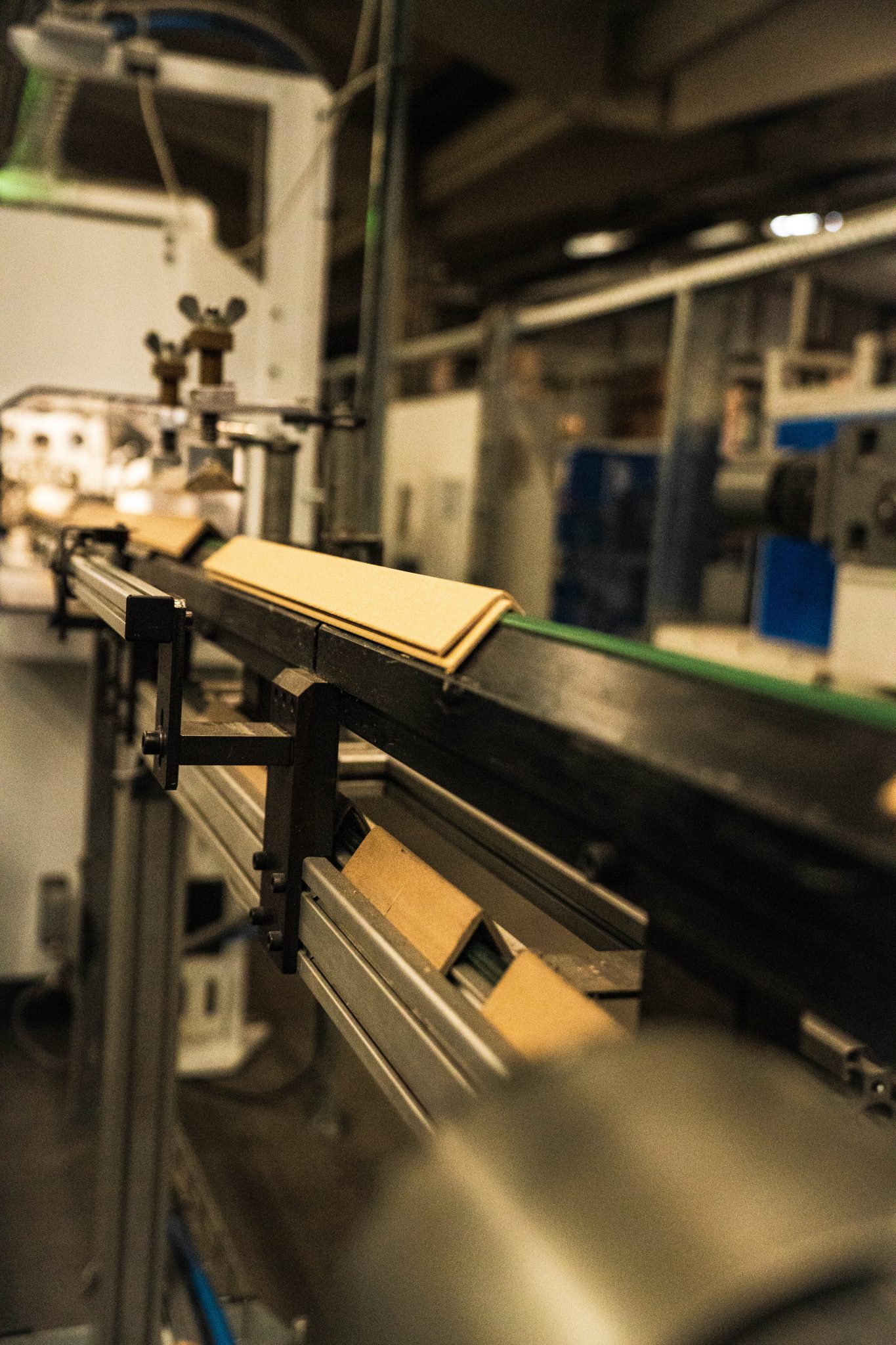
Cardboard edge protectors, for example, are very popular. They are lightweight, inexpensive, and recyclable. Many companies are already opting for this option because it is much more environmentally friendly than other materials.
There are also various plastic options available. While these are somewhat more resistant to moisture, they are not environmentally friendly. Foam is an excellent choice for delicate surfaces, as it ensures that the packaging remains scratch-free. Metal profiles provide maximum stability, though they are more commonly used in mechanical engineering or plant construction.
The choice you ultimately make depends on several different factors. It mainly depends on your industry and specific requirements. Most companies opt for cardboard protection. It adapts perfectly to different types of packaging and offers maximum protection.
An overview of common variants and their advantages:
Every company has the option to choose the protection solution that best suits its specific products.
How does edge protection work during transport?
Edge protection serves a very clear purpose. It absorbs pressure and distributes it over a larger area. During transport, the packaging is subjected to many forces. Even minor impacts can weaken the material or cause the corners to chip. Well-placed edge protection can prevent exactly that. It ensures that the outer packaging remains stable and prevents cracks.
Edge protectors are typically attached to the corners or along the edges of boxes. This creates a stable structure that can withstand even heavy pressure. This significantly improves stackability and safety, especially for palletized goods.
Edge protection in logistics – an underestimated factor
Efficiency is paramount in logistics. However, any transport chain can quickly become costly without proper protection. If goods are damaged, complaints, redeliveries, and even potential reputational damage can quickly arise. With the right edge protection, these problems can be prevented before they even occur.
Many logistics companies have already realized that investing in sturdy packaging systems is definitely worthwhile, especially in the long run. Keep in mind that every instance of transport damage you prevent not only saves you material costs, but also saves you a considerable amount of time and energy.
Sustainability and Resource Conservation
These days, environmentally friendly packaging solutions are more important than ever. More and more companies are making sure to use recyclable and biodegradable materials. Solid cardboard edge protectors offer a clear advantage in this regard. They can be easily reused. Furthermore, plastic waste is significantly reduced.
In addition, lightweight materials also reduce shipping weight and, as a result, CO₂ emissions. Choosing sustainable packaging solutions therefore contributes to environmental protection in two ways.
The Advantages of Sustainable Packaging
Sustainable edge protection isn't just environmentally friendly. It also offers several practical advantages. Here are some of the benefits for you:
Companies that use sustainable packaging also reduce their environmental impact, thereby significantly enhancing their brand image.
Edge protection in logistics – an underestimated factor
Efficiency is paramount in logistics. However, any transport chain can quickly become costly without proper protection. If goods are damaged, complaints, redeliveries, and even potential reputational damage can quickly arise. With the right edge protection, these problems can be prevented before they even occur.
Many logistics companies have already realized that investing in sturdy packaging systems is definitely worthwhile, especially in the long run. Keep in mind that every instance of transport damage you prevent not only saves you material costs, but also saves you a considerable amount of time and energy.