

When it comes to shipping goods safely, most people think of cardboard boxes first. However, there are some situations where cardboard boxes aren’t always the best choice. In some cases, for example, tubes are the better solution. They’re sturdy, space-saving, and provide excellent protection for certain products. Many people are probably wondering: when is it better to use tubes instead of cardboard boxes?
In this article, we’ll take a closer look at this very question. We’ll explain why tubes are often the better choice. We’d also like to introduce you to the best types of tubes for shipping.
The key difference between tubes and boxes
Cardboard boxes are often described as true all-rounders. They are ideal for shipping a wide variety of products. However, if you need to ship long, round items, for example, you’ll quickly find that cardboard boxes have their limitations. This is exactly where tubes come in handy.
High-quality tubes are usually made of solid cardboard. They have a cylindrical shape and offer exceptional stability. Unlike cardboard boxes, tubes do not bend easily. Using tubes ensures that pressure is distributed evenly across the entire surface. This is particularly important when shipping products that must not be bent or crushed under any circumstances.
You can also save on packaging materials by using tubes. You don’t have to stuff large boxes with packing material just to ship a long item safely. Tubes are the perfect shape and work perfectly for this purpose. They’re also very easy to use.
When are sleeves the better choice?
In some cases, tubes are a better choice than cardboard boxes, for example. We’ve compiled a few examples for you here. These clearly show why you should use tubes instead of cardboard boxes:
Long products
Long items such as profiles, moldings, or tubes are very difficult to fit into cardboard boxes. It is hard to pack them securely inside. Very often, these items stick out or rattle around when packed in a box. However, with a properly sized shipping sleeve, you can seal the box so that the items fit snugly inside. This helps prevent potential damage.
Rollable materials
Drawings, posters, blueprints, or fabrics can be easily rolled up and transported in a tube. This ensures your items are well protected and prevents creases and wrinkles.
Delicate surfaces
Even delicate surfaces can be perfectly protected with the right sleeves. When dealing with glass, printed films, or metals, for example, it is important to use packaging that does not leave any indentations. Sleeves provide even protection without any sharp edges.
Sheet materials
Paper, film, textiles, and labels are very often supplied on rolls. In such cases, cardboard cores are an excellent choice. This type of core is also well-suited for special requirements.
Space-saving shipping
Tubes take up much less space than boxes. This not only saves you storage space, but also—and most importantly—shipping costs.
Shipping tubes – the classic choice for safe shipping
Shipping tubes have proven their worth for many years. They are ideal for shipping long items such as moldings and profiles. Cylindrical items are also held securely in them. Marketing materials, drawings, and other rollable items are also well protected in a shipping tube.
A shipping tube does more than just ensure your products are securely packaged for shipping. These tubes also stand out for being very affordable. Your product is well protected without the need for a lot of extra packaging material.
What types of sleeves are there?
There are several different types of sleeves. They are suitable for a wide variety of applications. We would now like to tell you a little more about the different types of sleeves:
Cardboard tubes – sturdy and versatile
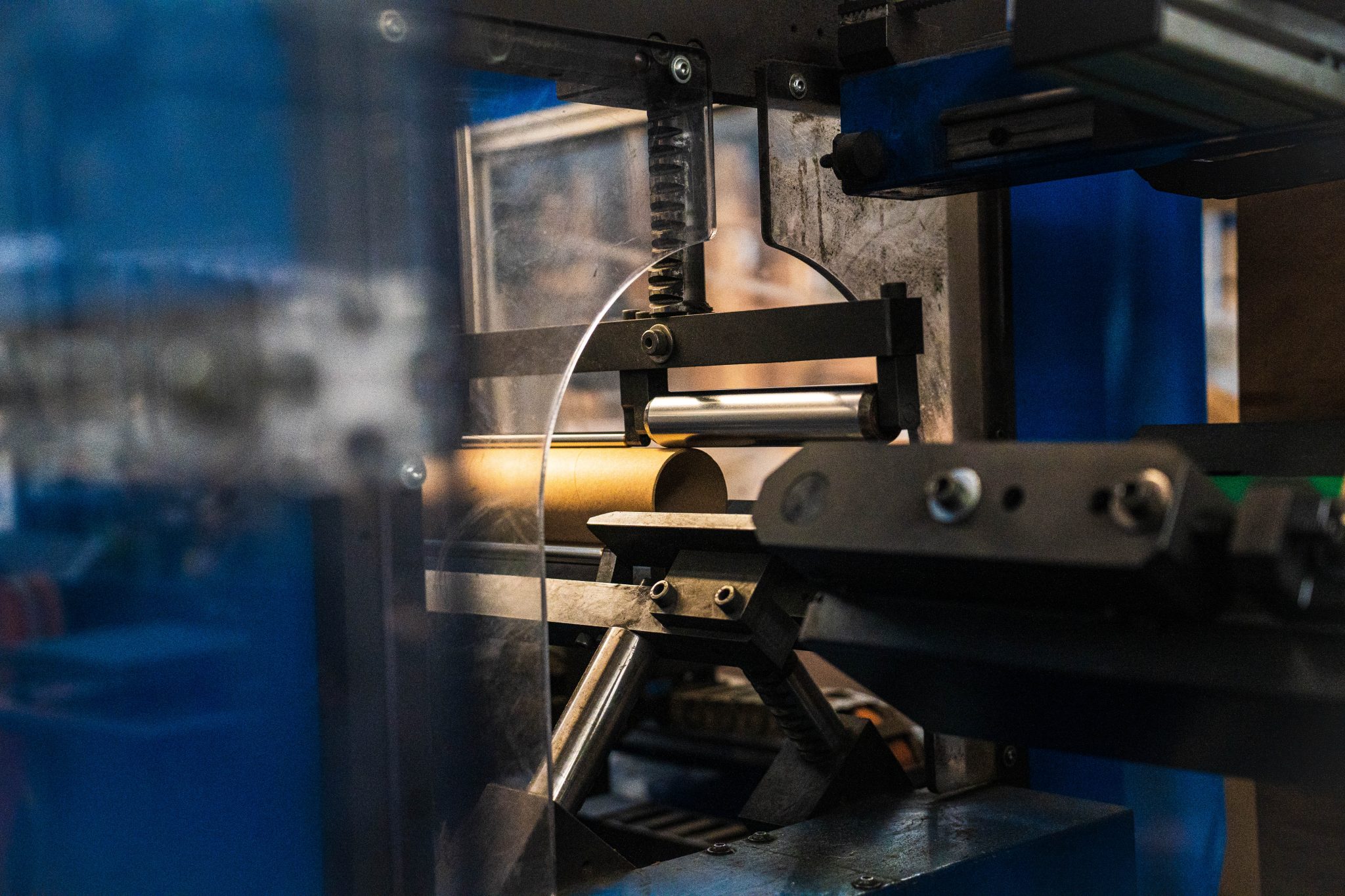
Cardboard tubes are already in use across many industries. They serve as cores for winding roll-form materials such as paper, film, textiles, or labels. These tubes are perfectly capable of withstanding heavy loads. They can also be quickly customized. They are also ideal for specialized applications, such as display tubes for your point-of-sale displays or support tubes to reinforce system packaging.
These types of tubes can be custom-made to your exact specifications. This ensures that you can find the right cardboard tubes for your project.
Quarter- and Half-Sleeve Tubes – Edge Protection with Added Value
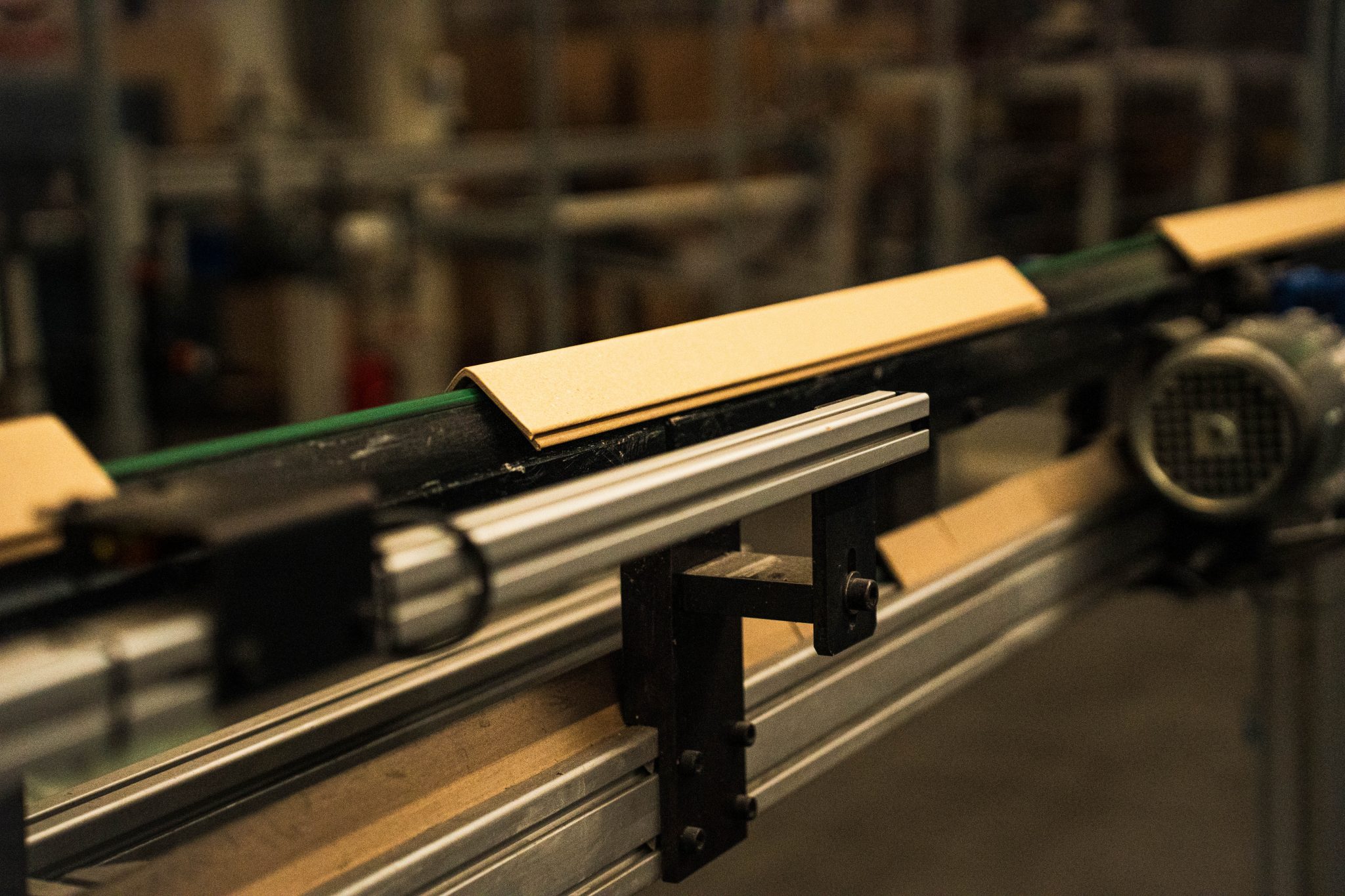
A sleeve is not always used for packaging. In some cases, sleeves can also be used as protective components. Quarter-shell and half-shell sleeves are a very good example of this. They protect IBC containers from damage caused by strapping.
However, they have other uses as well. They also protect textile load-securing straps from sharp edges. In addition, they stabilize pallets loaded with bagged goods or textile bales.
The main advantage of these sleeves is that they can be reused multiple times. This makes them sustainable and cost-effective.
Sleeve rings – small but crucial
Core rings are the unsung heroes working behind the scenes. They are used wherever narrow webs are wound onto a core. Core rings are used, for example, with labels, adhesive tapes, and films.
The advantages of tubes over cardboard boxes
Compared to cardboard boxes, tubes offer many advantages.
Here are some advantages that tubes offer but cardboard boxes do not:
Tips for Using Sleeves
To ensure your products are optimally protected, there are a few things you should keep in mind:
When cardboard boxes are still the better choice
In some cases, however, cardboard boxes are a better option. For example, they are more suitable when many small parts need to be shipped together. Cardboard boxes are also sometimes a better choice when the product has an irregular shape. If padding is required in all directions during shipping, cardboard boxes are also an excellent choice in this situation.
Sometimes it makes sense to use a combination of a cardboard box and a sleeve—for example, when the sleeve is also placed inside the box.
Tubes: A Smart Packaging Choice
Tubes are a great alternative to cardboard boxes when it comes to shipping long or fragile items. They offer high stability and are extremely space-efficient. Plus, they can be easily customized. If you want to reduce shipping costs, prevent damage during transport, and present a professional image, you should consider whether tubes are the better solution.